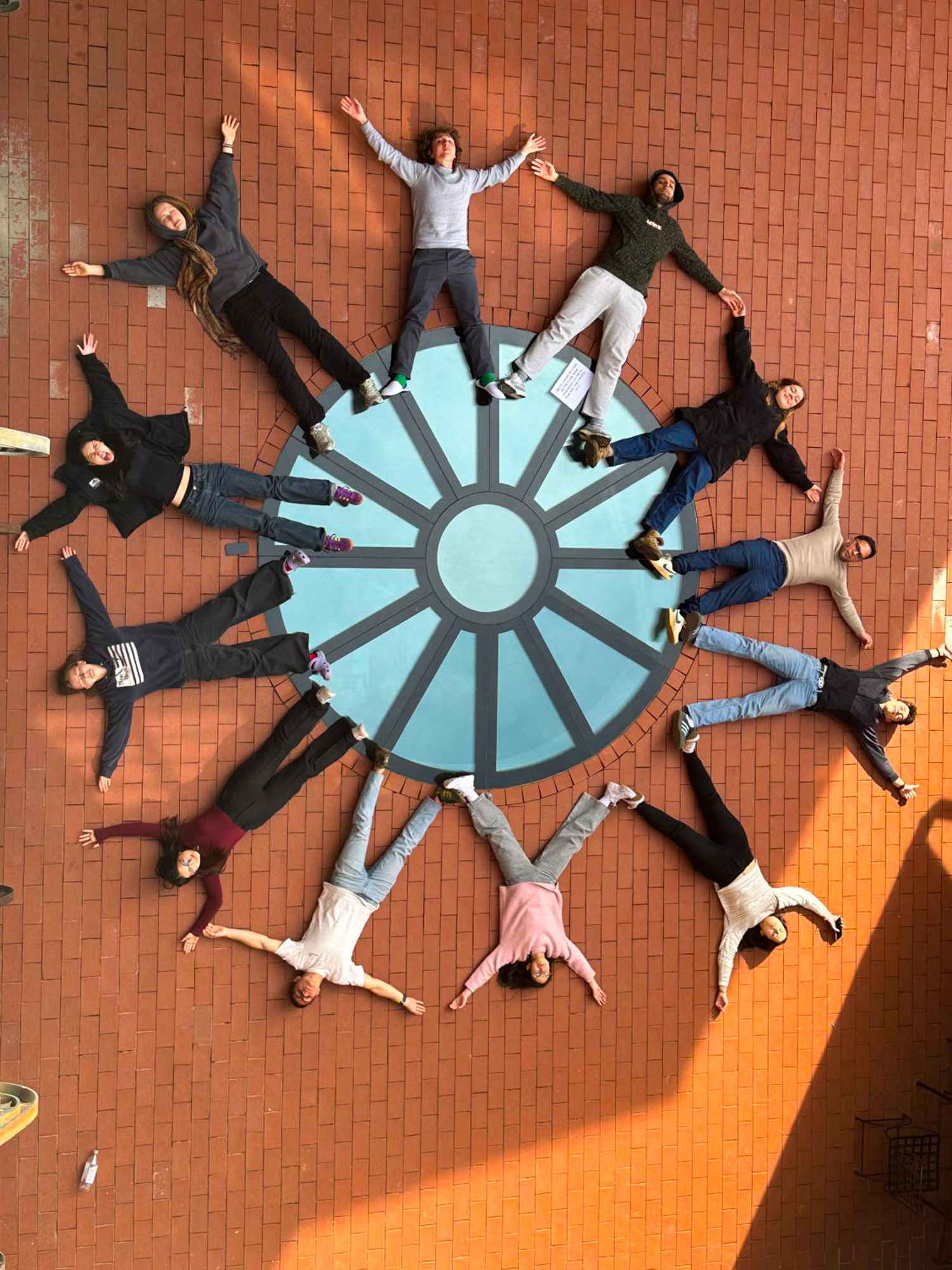

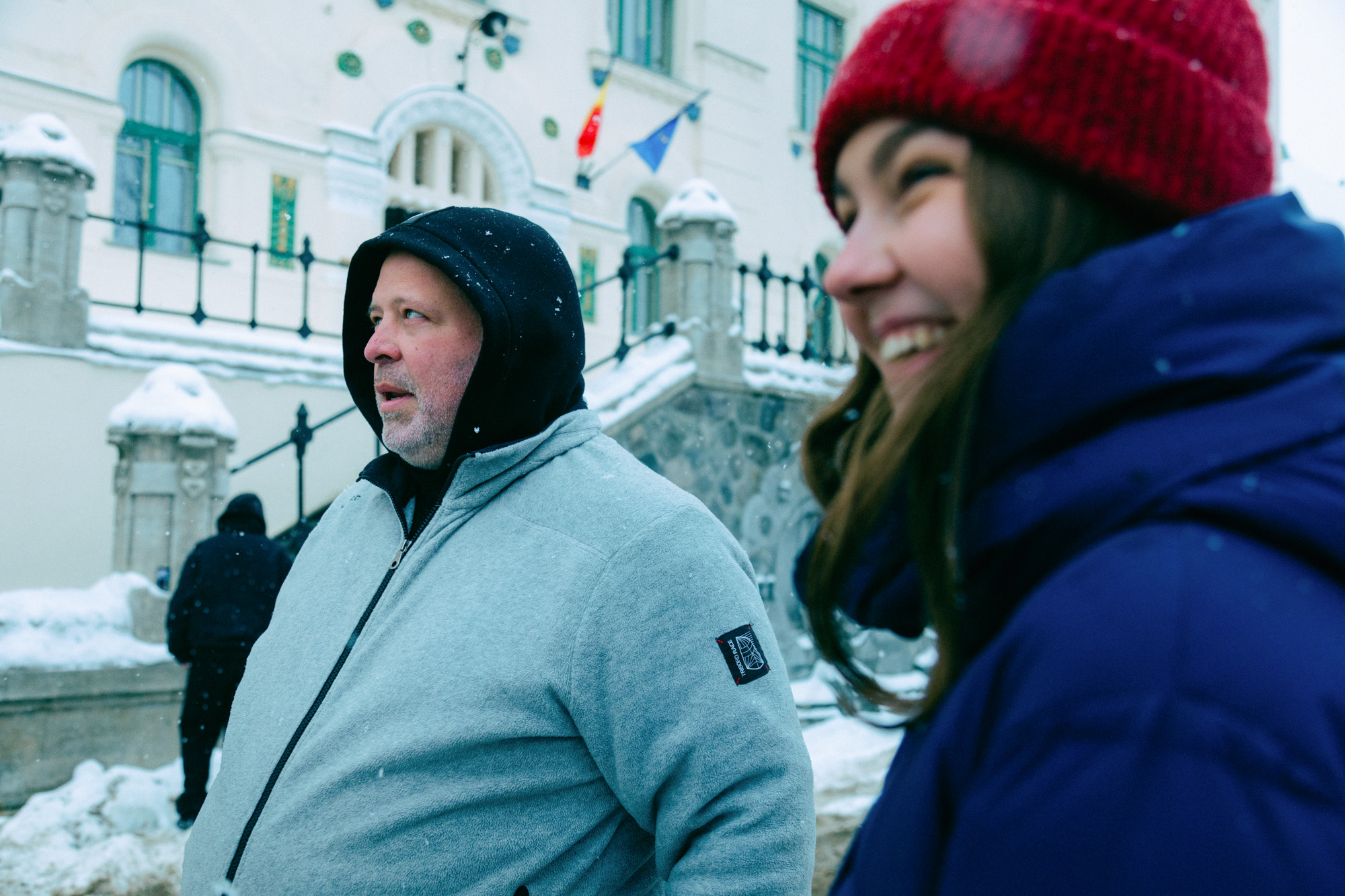
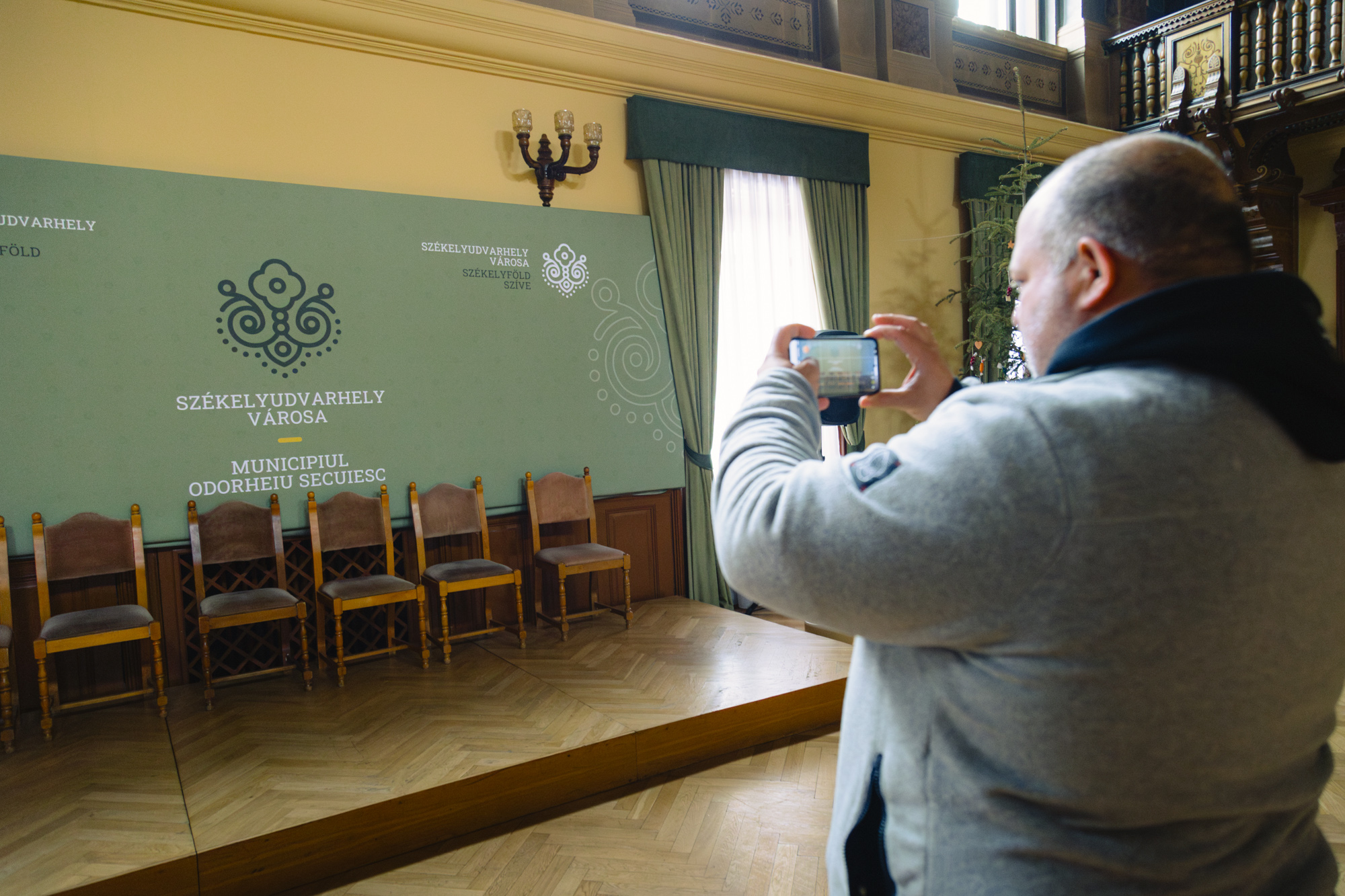
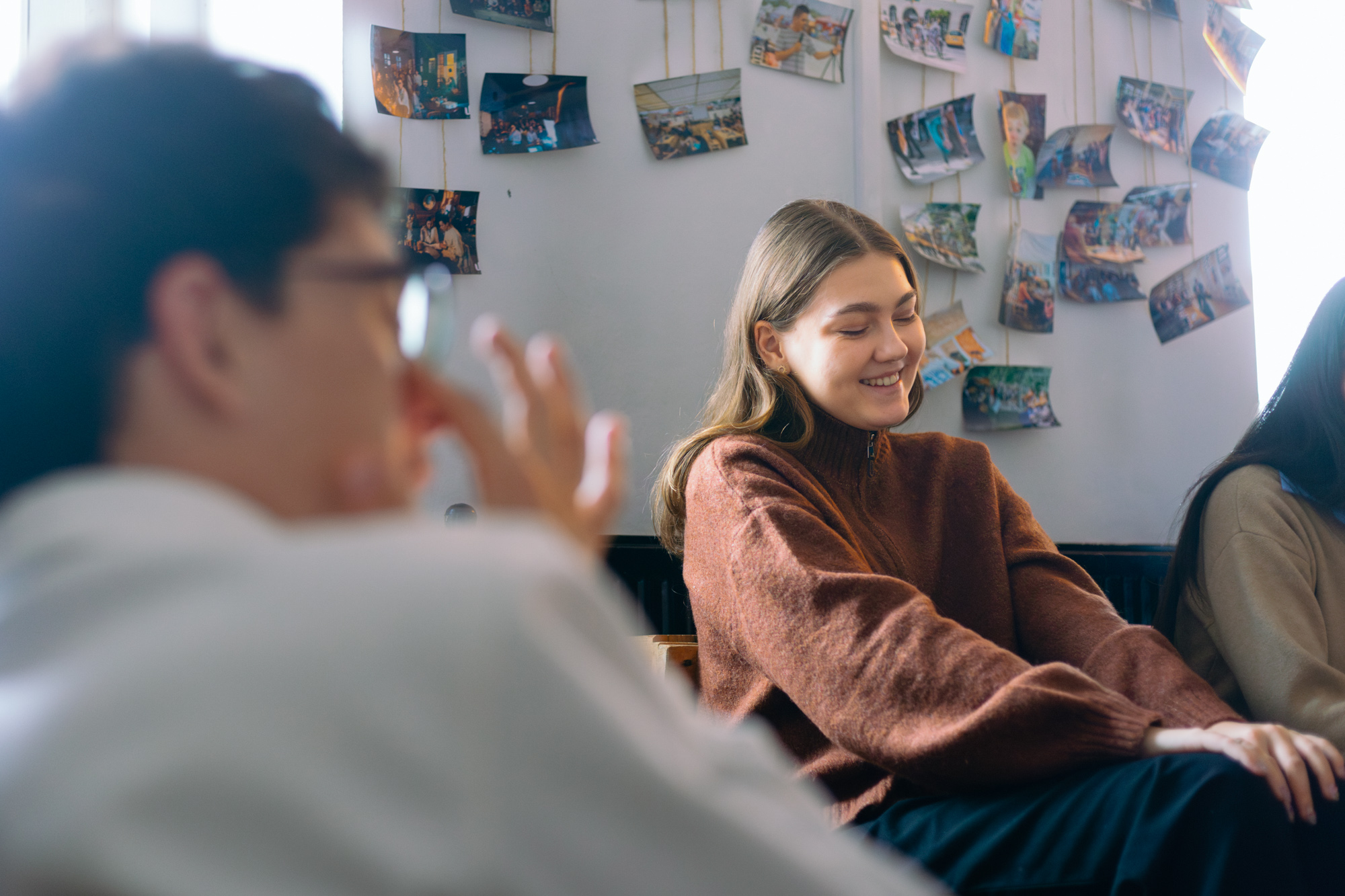
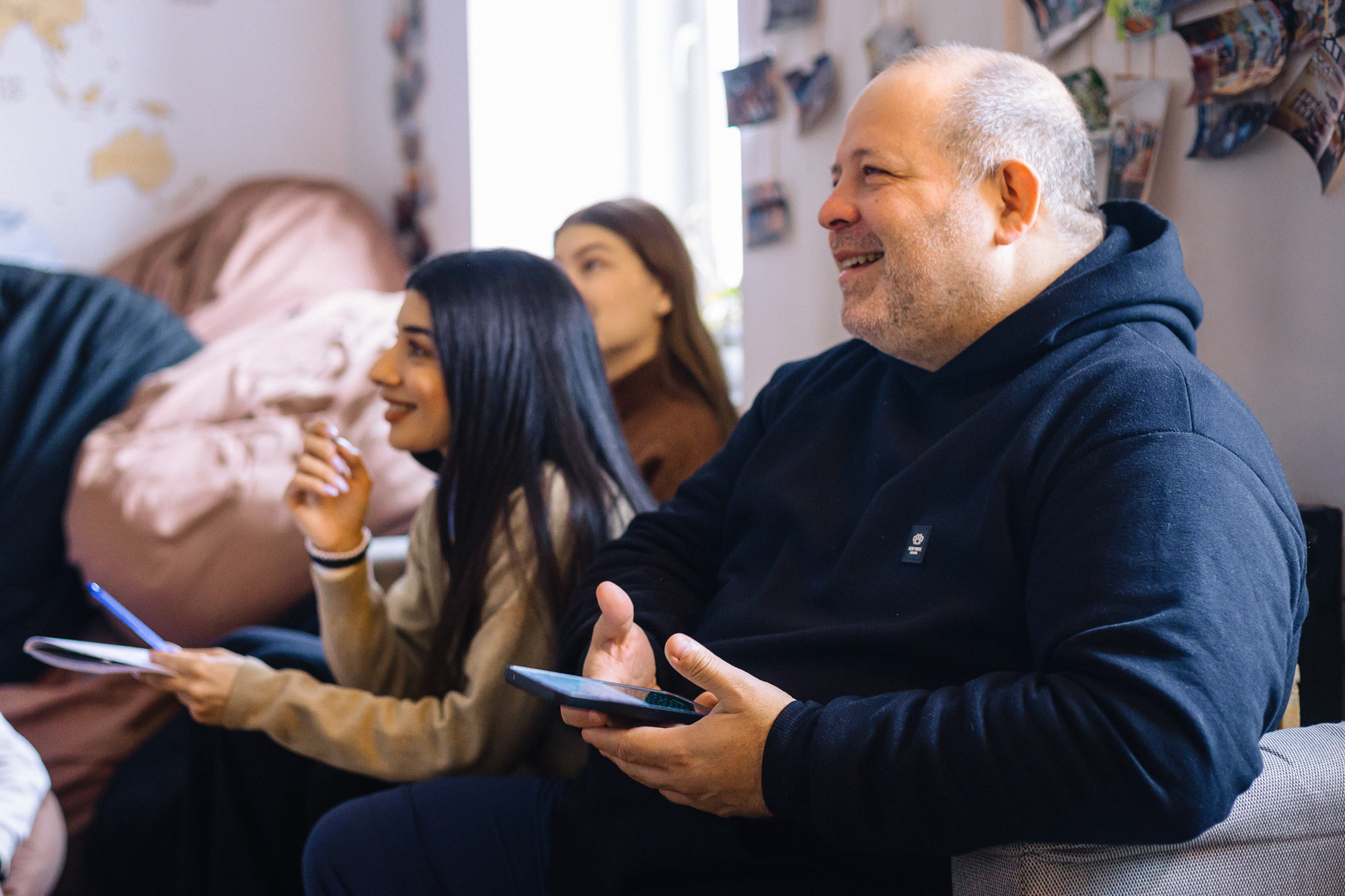
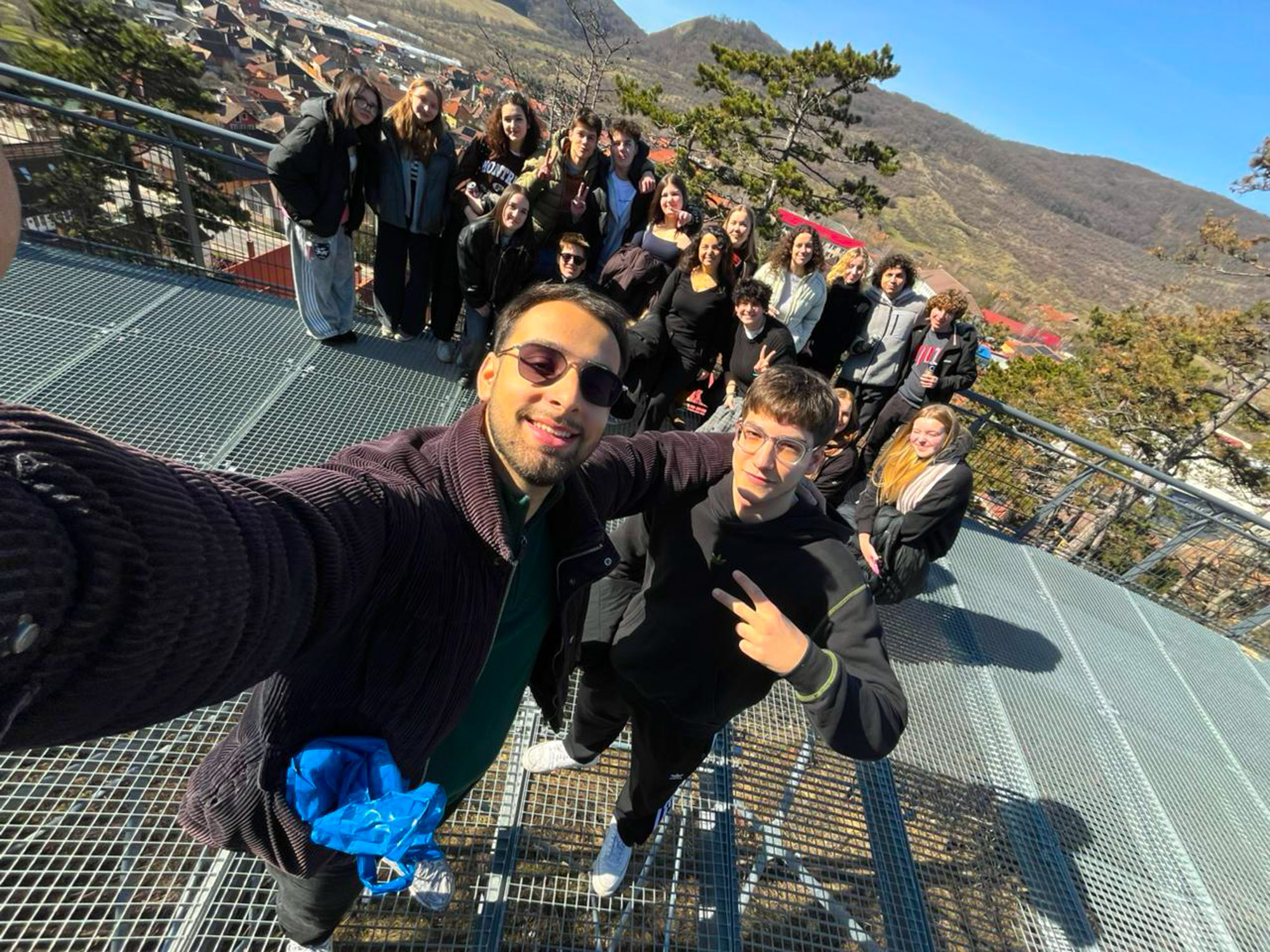
The Preparatory Visit took place on 15–16 January 2026 at Hotel Gondűző in Odorheiu Secuiesc, bringing together one representative from each of the eight partner organisations. The meeting allowed partners to review the project objectives, strengthen cooperation and jointly prepare the upcoming Youth Exchange.
Partners finalised the activity programme, agreed on responsibilities and discussed participant preparation, inclusion, safety measures and expected learning outcomes. The meeting ensured that every organisation clearly understood its role before the exchange.
The partners also reviewed the venue and accommodation, planned communication and dissemination activities, and explored ways to adapt the programme to participants’ needs. The visit created a strong foundation for a well-organised, inclusive and high-quality Youth Exchange.
Eat, Play, Live! was an Erasmus+ Youth Exchange focused on healthy lifestyles, well-being, social inclusion and intercultural learning. It took place from 1–8 March 2026 at Hotel Gondűző in Odorheiu Secuiesc.

The exchange brought together young people, group leaders and facilitators from Romania, Hungary, Germany, Greece, Italy, Lithuania, Portugal and Türkiye.
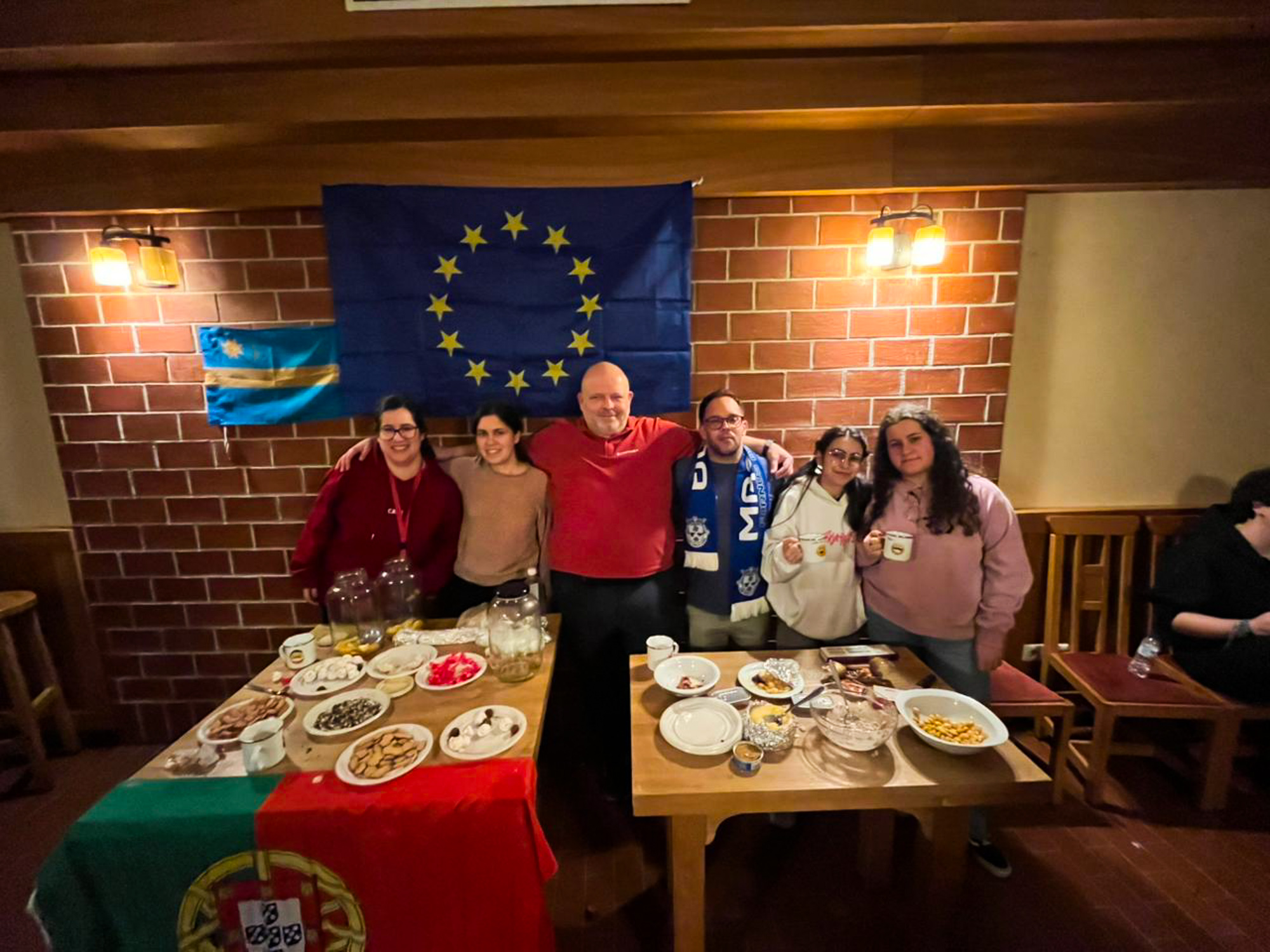
The group included 45 young participants, eight group leaders and two facilitators. Living and learning together encouraged intercultural understanding and international friendships.
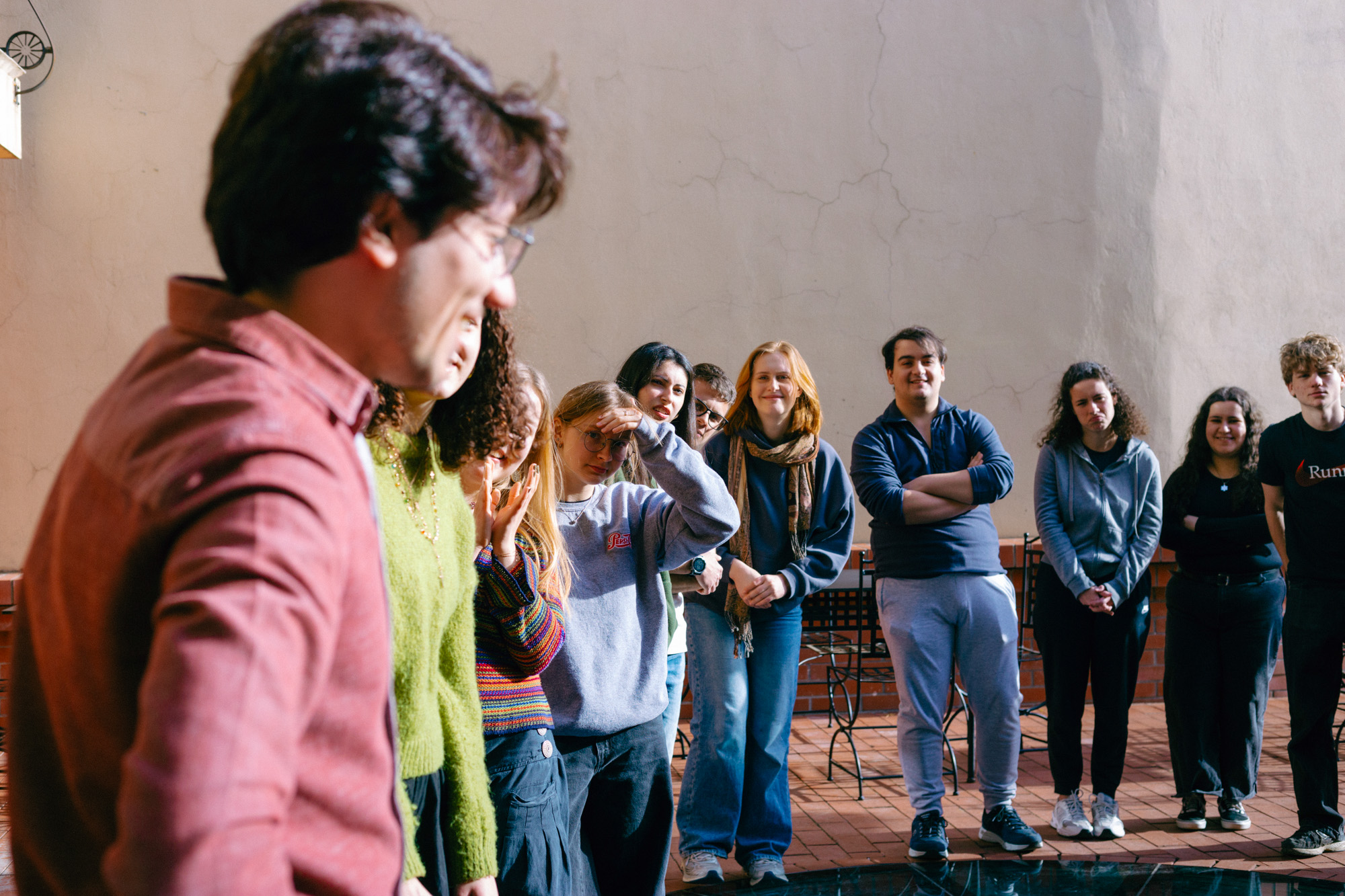
Fourteen young people with fewer opportunities took part in the exchange, including participants facing economic, geographical, social, cultural or educational barriers.
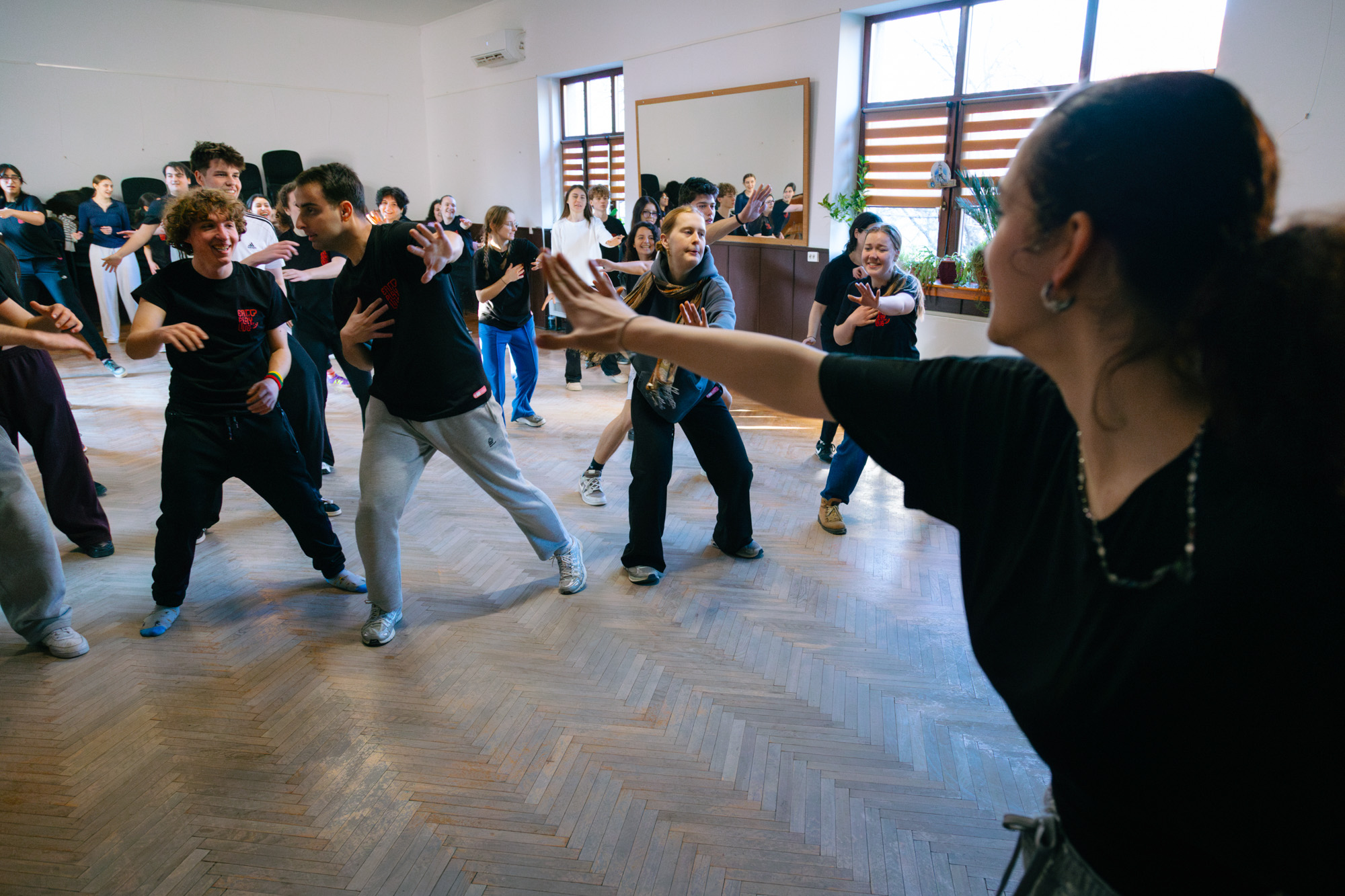
Group leaders supported participant preparation, travel, communication, well-being and reflection. Through non-formal education, participants developed healthier habits and actively contributed to the programme.
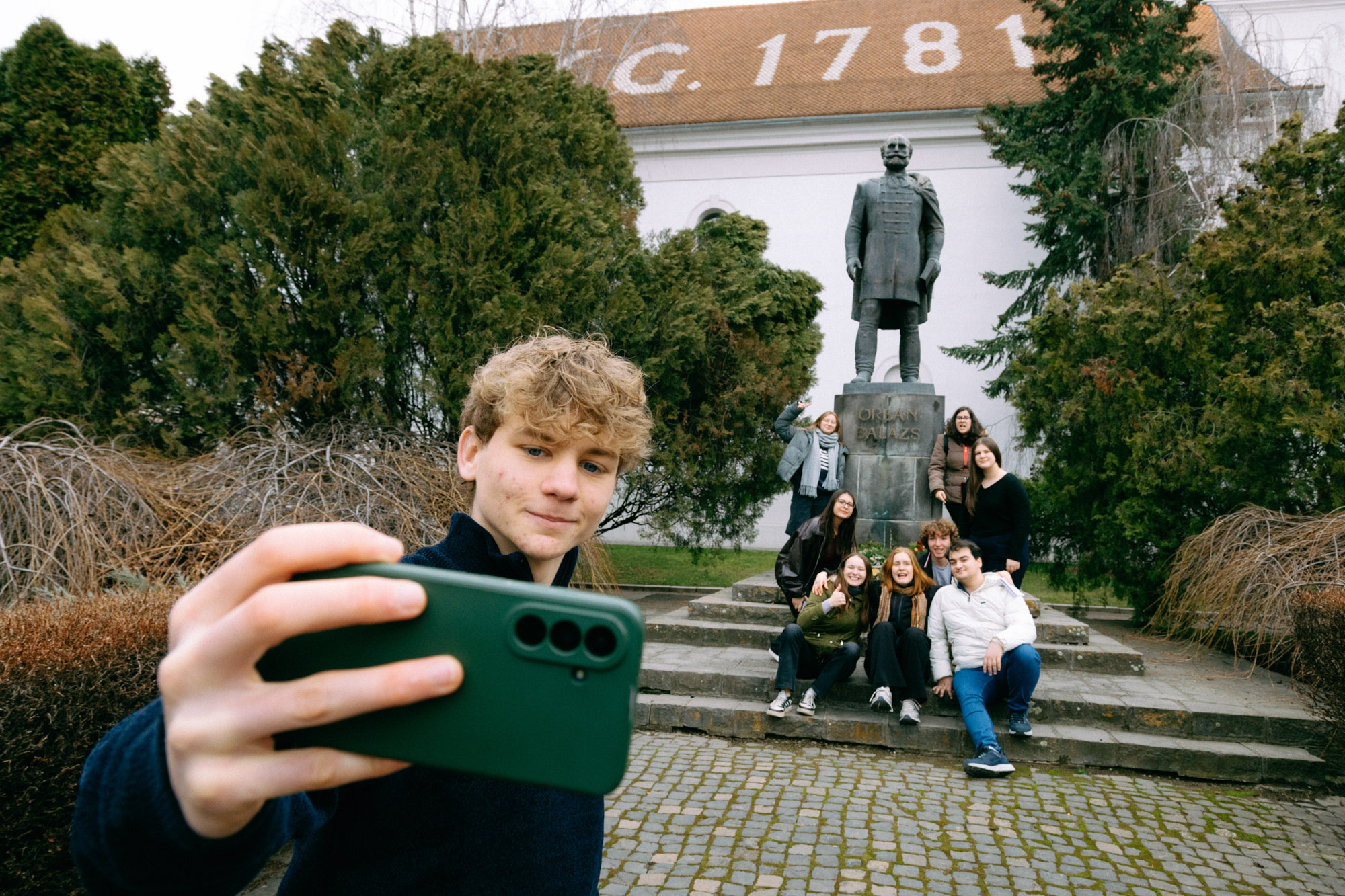
The project presented healthy living as a balance between nutrition, physical activity, mental well-being, rest and responsible digital habits. Through practical workshops, discussions and inclusive sports activities, participants explored realistic ways to make healthier choices, strengthen cooperation and build a stronger sense of community.
The programme was based on non-formal education and active participation. Workshops, discussions, role plays, practical tasks, sports activities and group reflection allowed participants to learn by doing.
Intercultural evenings and international teamwork gave participants the opportunity to learn about the traditions, values and everyday realities of the represented countries. These experiences strengthened openness, respect and curiosity toward other cultures.
Throughout the exchange, participants improved their communication, teamwork, problem-solving and public-speaking skills. Many also became more confident in expressing their ideas and taking responsibility within an international group.
The project increased participants’ awareness of physical and mental well-being and introduced practical methods that could be applied after the exchange. It also strengthened intercultural understanding, confidence, active participation and interest in future Erasmus+ opportunities.
The project was implemented through the cooperation of eight organisations from different European countries. The partners contributed to participant preparation, programme development, facilitation, inclusion, monitoring and dissemination.
The project created stronger relationships between the participating organisations and young people. The partners intend to remain connected, exchange new ideas and explore future Erasmus+ projects that continue promoting inclusion, well-being and active participation.
During the project, the participants worked together to create five practical publications covering key topics related to healthy lifestyles, well-being and social inclusion. These resources are publicly available and can be freely used by young people, youth workers, educators and organisations interested in promoting healthier lifestyles and inclusive learning.
The publications were designed to ensure that the project’s knowledge, methods and good practices remain accessible beyond the Youth Exchange. Participants can continue using, sharing and adapting these materials in their own communities, workshops and future activities, helping the project results reach a wider audience and create a lasting impact long after the mobility has ended.
This booklet introduces the basics of balanced nutrition and offers simple, practical advice for developing healthier everyday eating habits.
This booklet encourages young people to be more active and shows how enjoyable physical activity can be easily incorporated into daily life.
This booklet provides practical tools for recognising emotions, managing stress, improving rest and maintaining mental well-being.
This booklet supports healthier technology use by addressing screen time, social media, online safety and healthy digital boundaries.
This booklet presents simple tips and small, sustainable changes that can make everyday life healthier without requiring major effort.